


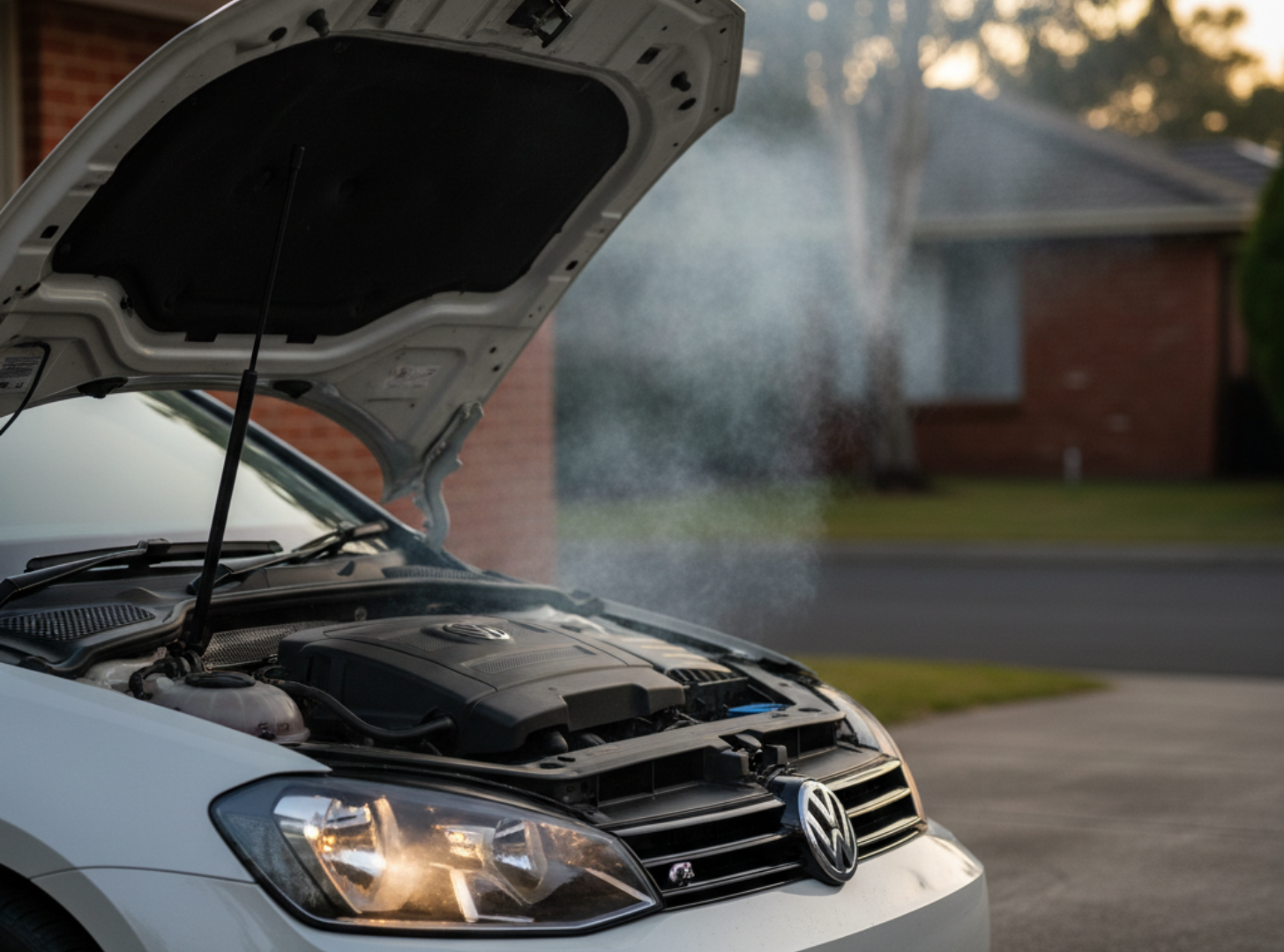
I drive a seven-year-old Golf. I really like my car; I ticked every electronic gizmo option when I ordered from the dealer, which means I’m subject to endless beeps and bops when parking or navigating a tight driveway - but Apple CarPlay and adaptive cruise control are game-changers. My car does just what I need when I need it.
But my Golf has a problem. It’s been losing coolant, and I’ve been topping it up regularly. A service the other day revealed the issue: the water pump is leaking, and there’s a problem with the oil/water interchange thingy (I really don’t know much about engines). The repair bill will be thousands, and I’ve put a pin in it while I save up the dollars.
Some people even name their cars. I never have, but I’d be sad to lose the relationship I have with the Golf. I do some of my best thinking when driving, and I often use Siri to send thoughts to myself - including for this article. It’s the car that’s helped me move house, driven me to Sydney and back, taken me, and friends, to all manner of events, places, and endless runs up the Western Highway to Ballarat to visit Mum and Dad.
Now I need to decide whether to spend a great deal of money or start thinking about giving up the Golf. Although I’d just want a new one. I recently drove a new one - a loaner while mine was in for a service - and VW has made some small changes to the interior, which really bugged me. Luckily, it was only for a day. But it’s already giving me the shivers. I want my old car just the way it is.
We talk about relationships the way we talk about cars. We say they need maintenance. We say they break down. We say if you ignore the warning signs, something expensive is going to go wrong - and yes, the VW garage has told me I am risking ‘blowing’ the engine if I don’t fix all the problems.
We notice something’s off—a recurring tension, a conversation that keeps not happening, a small lie we’ve started telling ourselves about what we’re actually feeling—and we think: I’ll deal with that later. When there’s time. When I’m less tired. When they’re in a better mood.
The thing about cars is that they don’t care whether you fix them or not. Your car doesn’t lie awake wondering why you haven’t addressed the rattling noise. It doesn’t create stories about what your procrastination means.
That means we have to show up for the hard conversations, even when the timing isn’t perfect, even when we don’t have a manual, even when we’re not sure what’s wrong.
And here’s the harder part: even when we do address it, relationships don’t come with a clear service manual. The VW garage has a computer they can plug into my Golf that gives them a detailed readout of the car’s condition. In relationships, there’s no diagnostic computer.
When negotiating relationship blips, sometimes you think you’re fixing one thing and discover it’s actually connected to three other things you didn’t know were broken. Sometimes the other person doesn’t agree that anything needs fixing.
Relationships aren’t mechanical. They’re two people trying to be honest about what they need while also protecting themselves from being hurt.
My Golf is in the driveway, looking exactly the same as it did last week, as if nothing is wrong. But I know something is. Sooner or later, I’ll have to make a decision about its repairs - hopefully before it blows up. Relationships are a bit like that. The warning lights come on quietly. Nothing explodes straight away. But the longer you drive around pretending everything is fine, the more expensive the repair becomes.