


I was having a glass of wine with a friend the other afternoon. We’re both separated after long-term relationships, and we both consider that we’ve come a long way since then. We’ve both had oodles of therapy and spent time reading and building new connections and friendships. I was telling them how physically different I am from how I was six or seven years ago. I’ve gone from a buzz cut to a ponytail. From no tattoos to a bunch, including the gorgeous phoenix on my right forearm, to celebrate new beginnings.
We swapped reflections on how we have changed as people and on how we connect and relate to those around us. We both agreed how we are so careful about the people we bring into our respective constellations now, leaving behind connections that at the time seemed strong - particularly as parents with other parents - but yet evaporated as soon as we no longer were a relationship escalator-typical couple.
But there’s a challenge in the way you relate to the people who have been in your lives for decades - your family. There can be a dissonance when spending time with people you have known your whole life. They connect to you with a deep, assumed familiarity. You all laugh at the same old stories, rather than create new ones.
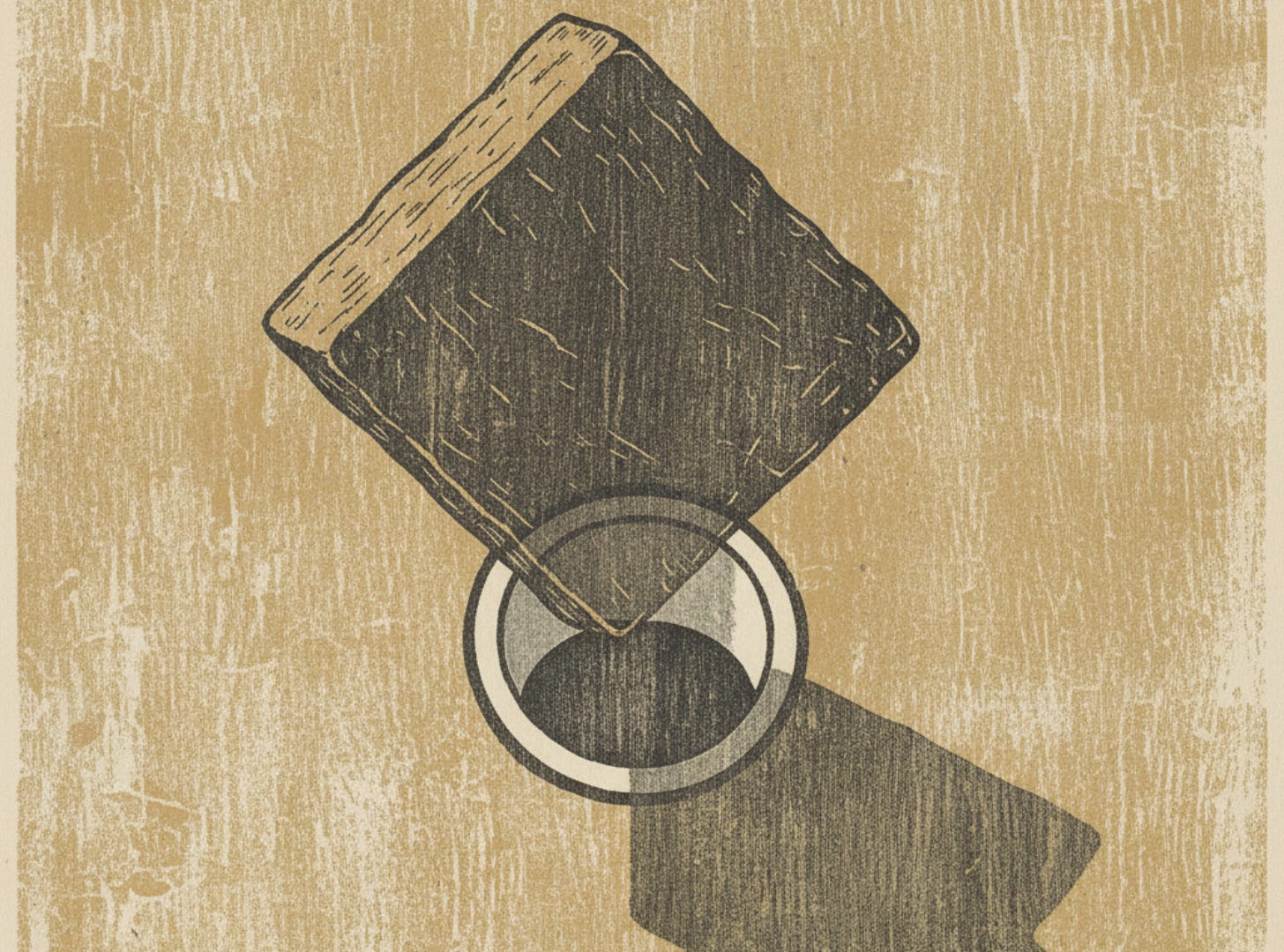
On the surface, it looks like belonging. But internally, it can feel uneasy, like trying to fit a square peg in a round hole.
This is the loneliness of being remembered wrong. It is the isolation of being stuck in someone else’s outdated mental filing system. While you have done the hard work of evolving, the people around the table are often still talking to a ghost.
Sociologists sometimes refer to this through the lens of Self-Verification Theory.
“Self-verification is a social psychological theory that asserts people want to be known and understood by others according to their firmly held beliefs and feelings about themselves,[1] that is self-views (including self-concepts and self-esteem). It is one of the motives that drive self-evaluation, along with self-enhancement and self-assessment. “
We want to be known and understood by those around us according to our internal beliefs, but when there is a gap between that internal dialogue and our family, it creates friction. Do we maintain a facade that seems pliant to their long-held understanding? Do we try to ‘let them in’ and explain? If we do, will they comprehend?
It’s a dichotomy, our family has effectively frozen an image of us from years ago in their collective consciousness. They’ve labelled us:
“If you move through the world convinced that someone cannot cope, you will act accordingly and potentially intervene. If you label a child as fragile, you will naturally rush to rescue them. Your rescue then reinforces their belief that they cannot cope. The label creates a loop where everyone plays their assigned part, and no one gets to grow.”
It is easier to keep you in the “reckless younger brother” or “quiet daughter” box than it is to acknowledge the complex, nuanced adult standing in front of them.
The weight of this is felt most acutely in the performance. You find yourself “masking”, slipping into old speech patterns or suppressing current opinions just to keep the peace. You play the role of your expired self because it’s the only version they know how to love.
There is a quiet grief in this. You realise that to remain connected to your history, you must occasionally participate in erasing your present.
In The Principles of Psychology, William James wrote that a man:
“has many social selves as there are individuals who recognise him and carry an image of him in their mind.”
The trouble arises when those images become fossils.
True intimacy requires more than just shared history. It requires synchronisation. It is the willingness of both parties to constantly hit the “refresh” button on their perception of the other.
Without that update, we remain strangers in our own family photos. We are physically present, yet entirely unseen. If we want to live well and relate well, we have to decide how much of our current self we are willing to advocate for in rooms that only want the old version.
Have you ever felt the need to reintroduce yourself to the people who are supposed to know you best?